Dear Britain,
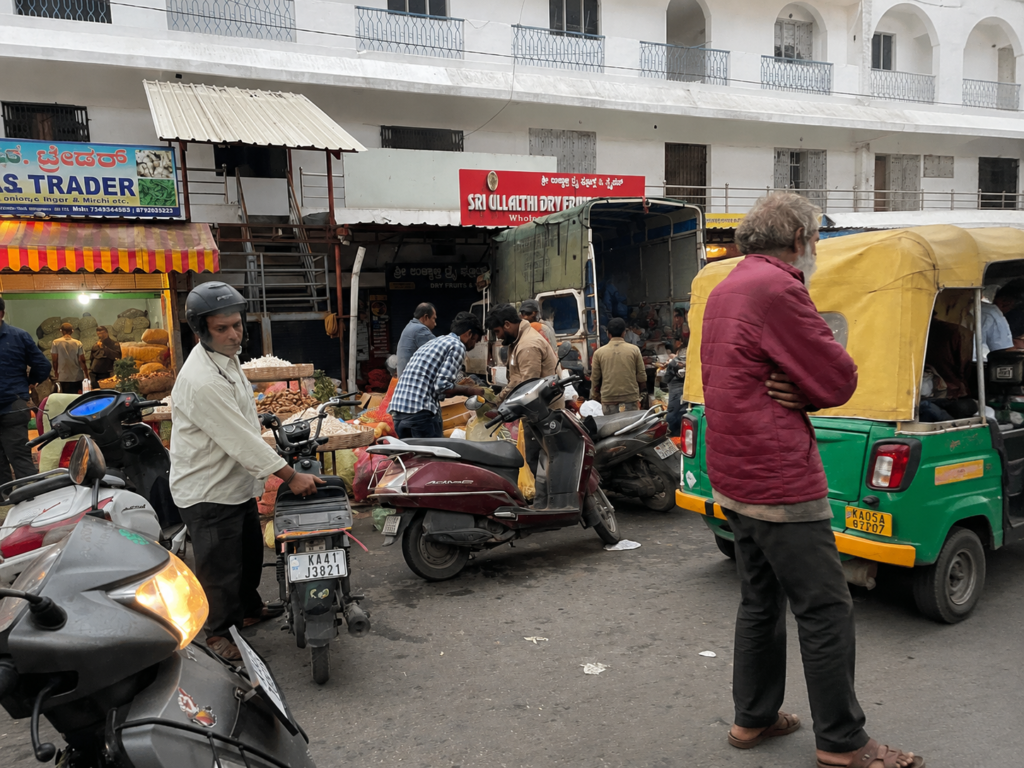
I grew up with animals. But it’s not like I was raised on a farm. And it’s not like my family had pets while I grew up either. These animals I grew up with – I met on the streets of India.
Met.
Just the way you would meet a human. Stray animals and humans shared the same public spaces. But the animals had no private space to go back to. They snoozed and slept. Scavenged, fought and hid. Mated, birthed, raised their young, and died. All out in the open.
The coexistence was mostly harmonious. If you could look past the occasion a hapless cyclist screamed while being chased by a pack of neighborhood dogs.
If you could look past the man kicking his frustrations out at the dog in the corner.
If you could look past the time my friend’s father accidentally drove his car straight into a stray buffalo on the road. Only to have, what must have been, at least a 400-kilo animal, bounce off the windscreen and bonnet – and saunter off on its merry way again. Leaving a family of four in utter, open-mouthed shock. And a car with a cracked windscreen and dented bonnet.
My childhood was littered with these animals and our encounters. Some, only fleeting. Like the tiny pup curled up under the vegetable vendor’s cart. Its skin – thin as a muslin cloth – wrapped impossibly taut against each of its graphically pronounced ribs.
Others that lasted a few months. Like Roger. The handsome dog my 14-year-old self bumped into, befriended and christened while playing with my friends in the neighborhood park. A cuddle is all it took. Roger followed me home and came to visit every single day. Until the day he didn’t. That was the thing with these friendships I made. You never knew when they would come about. You never knew when they would be taken away.
There were some that lasted longer. Like Kaali. Hindi for black. Also the name of a fierce Hindu goddess. Kaali lived up to her name in both colour and ferocity. We found her as an orphaned kitten on the brink of death. Nourished back to health, she grew up to become a fierce charmer of male cats. Birthed litter after litter of the cutest, most playful kittens. One in our shed downstairs. One in my bathroom. Another in the guest bedroom. While my joy in the growing brood knew no bounds, my mother’s hospitality for housing stray felines was fast finding its bounds.
You see dear Britain, this was 1997. I was 13. The world was still relatively uneducated in controlling stray animal populations. We couldn’t have anticipated that nursing one kitten back to health would leave us with 10 cats. Then one day, just like that, Kaali and her clan disappeared. They just weren’t there when I got home from school. I still don’t really know what happened to them. But I suspect someone was called to take them away and my parents didn’t want to break my heart. I cried for days. Didn’t eat. Until a friend of my father’s dropped her dog off with us for a weekend. A big, beautiful, doe-eyed Golden Retriever. Angel. And Angel lived up to her name too – pulling me out of my misery and into the world again. I hoped that wherever she was, Kaali was safe and back to charming felines of the opposite sex again.
All the years before and after Roger and Kaali, all the way up to when I left home for law school, I kept making animal friends. Despite all the heartbreaks – the ones taken away, the ones who stopped showing up, the ones who didn’t make it. Despite the fungal infection I acquired through animal contact that rushed over my skin – from my roots to my toes – like an angry wild fire – forcing me to take months of medication and medicated baths. Despite the doctor’s orders to stop close contact with strays for fear of a recurrence, I did not stop.
It wasn’t just dogs and cats. It was an injured sparrow once. A pigeon. A baby squirrel that had fallen from a tree.
Can I have a dog then? Is what I said to my exasperated mother every time I carried a new stray through the door. Like that would stop my compulsion. She knew better though. And that remained the one wish my parents did not fulfil.
Of course I had to fall in love with a man who shared my predilections. And our life together in India was no different – punctuated by animal friends.
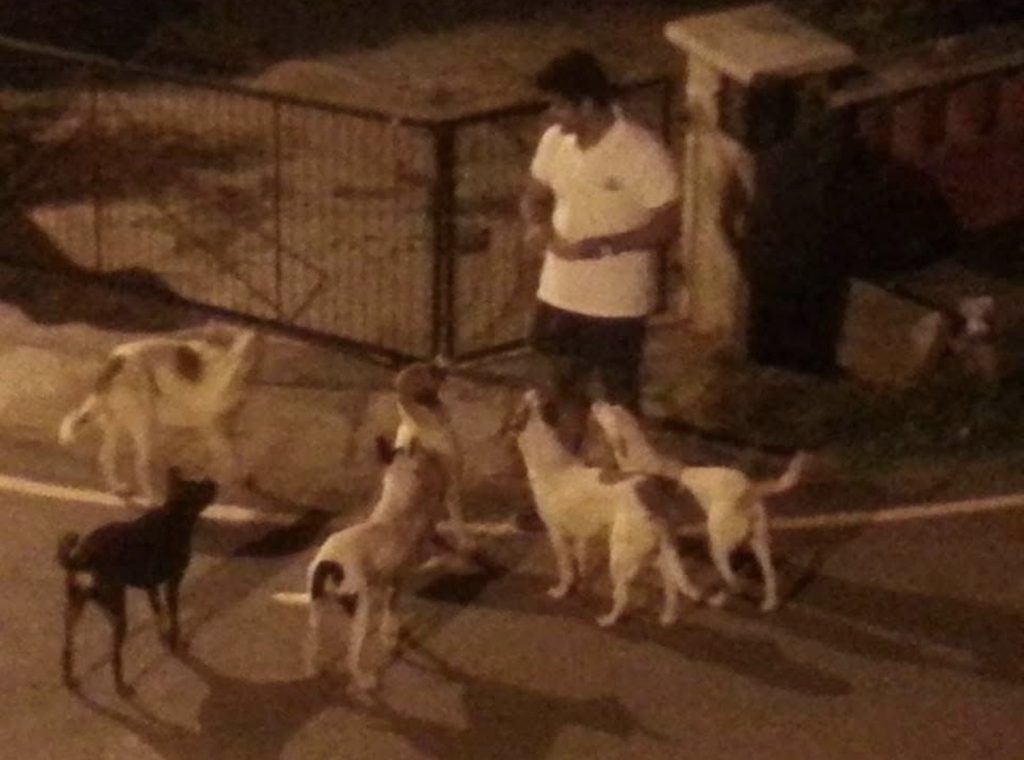
There was the notorious street gang in Bangalore. Seven of them. Each one named after the thing about them that announced itself the loudest.
Bruce was named after Bruce Willis. He looked like he was always in the middle of an action shot. Keeping his pack in check. Keeping the humans in check.
Dobey had the appearance of a Doberman on a budget. The posture and attitude were on point. The genetics had other ideas. But Dobey did not need to know that.
Mursh was the matron – older and rounder, her arthritic gait only adding to her dignified air. Sita was the lady of the pack. She would keep an eye on everything and everyone, paws crossed elegantly. The neighbourhood accepted them. Some even loved them and fed them.
The husband and I moved houses after a year but we went back often in the first few months. Arms laden with cuddles and food for the pack. On one of these visits, we found Mursh missing. We looked everywhere and asked around. What we eventually learned broke us. She had been stoned to death by some people who had moved in further up the road. To this day, it’s hard to talk about it. Hard to think about the lovely Mursh who wouldn’t hurt a fly – being hurt by the cruelty of some nameless, faceless cowards. It wasn’t the first time though, and it wouldn’t be the last.
Next to feature prominently in our lives was a rather small and odd-looking creature. At four weeks, her eyes were glassy and new. Only just opened up to the world. Ears too large for her face – bat-like. Wiry tail – rodent-like. Her fur looked like blotches of black, brown, caramel and grey stuck together by someone who had zero hand-eye coordination. This creature was a 4-week old kitten found with three of her siblings – trussed up into a plastic bag and tossed into a dumpster.
Hearing of their rescue, we went to see them. A blaze of ginger streaked across the room. Followed by a second. Then a third. Three ginger kittens parkour-ed over the contents of the room. But our attention was drawn to the fourth animal presence in the room. A wee thing trying desperately to climb to the first level of the cat tree.
She’s the runt, we think. Said the lady who was in-charge.
I picked her up and placed her on the husband’s lap. Her response was instantaneous. Little claws came out and started kneading his shirt. I saw his eyes widen, then soften.
Ticklish. He said and chuckled.
I think she’s purring. He scratched her chin gently with one finger. She opened her mouth to nibble on his finger with her gums and tiny milk teeth.
The husband didn’t have much experience with cats and I could tell he was smitten.
Sundae. He said softly, out of the blue.
What? I asked.
She looks like an ice-cream sundae.
I laughed.
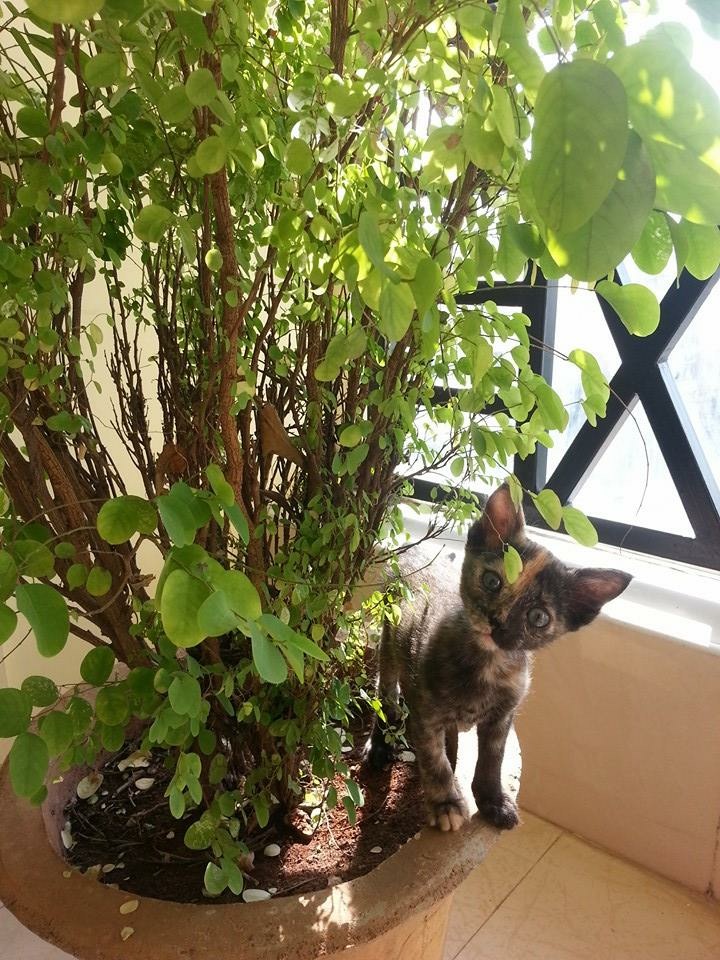
Can you guess what happened next, dear Britain? She came home with us, this wee creature. More bat than cat, more rodent than feline. We named her Sundae. Over the next six months Sundae regaled us with her antics as she metamorphosed from a runt into a healthy and confident tortoise shell cat. She watched television – Nat Geo was her favourite. Howled at the ceiling fans. Climbed up curtains. Climbed up our trousers. Hissed at objects. Perched on the husband’s shoulder.
Everyone loved her. The househelp. The friends. But most of all, my parents – her grandparents. And eventually, they adopted her. Today, video calls with my parents include Sundae. Usually snuggled between them on the couch. Alternating between my mother and father for a steady stream of cuddles and pets. A few moments without a human hand on her head and you hear a plaintive meow. And a doting hand goes right back to her head.
There were many more, dear Britain. Like the night the husband and I were driving back late and we spotted a tiny, white thing by the roadside. It could have been a large tuft of cotton, it was that tiny. We stopped the car. I went to it full of dread. Expecting the worst. It was a pup. Barely alive. Riddled with fleas and all sorts of parasites. They feasted on her.
We rushed her to the emergency vets who declared her severely anaemic and very weak. They weren’t sure she was going to make it through the night. Topped up with anti-flea and deworming medication, we took her back home.
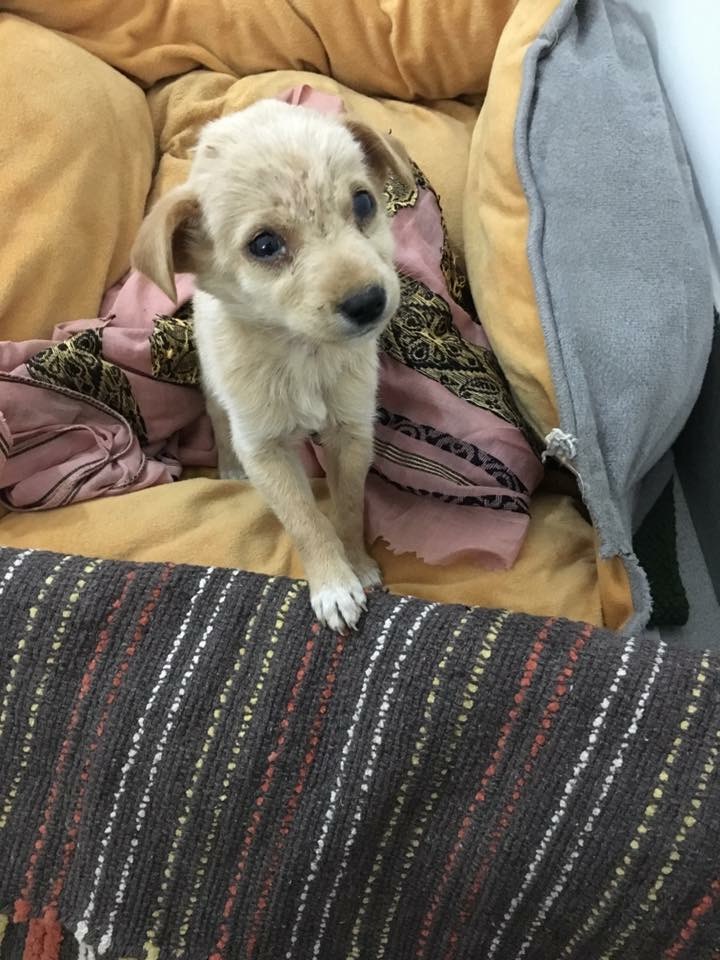
She spent the night isolated in our store room. I kept waking up at regular intervals to feed her. To make sure she was still there. And there she was. Every time. She even started protesting at my departures in the early morning hours. Weak little mewls. Come morning, relieved at her looking better, we went back to the vets. They were amazed at her recovery and tied a bow around her. A symbol of her fighting spirit and resilience. To me, the bow was poetic. Because that’s what all the animal friends were – a gift to me, a gift to life.
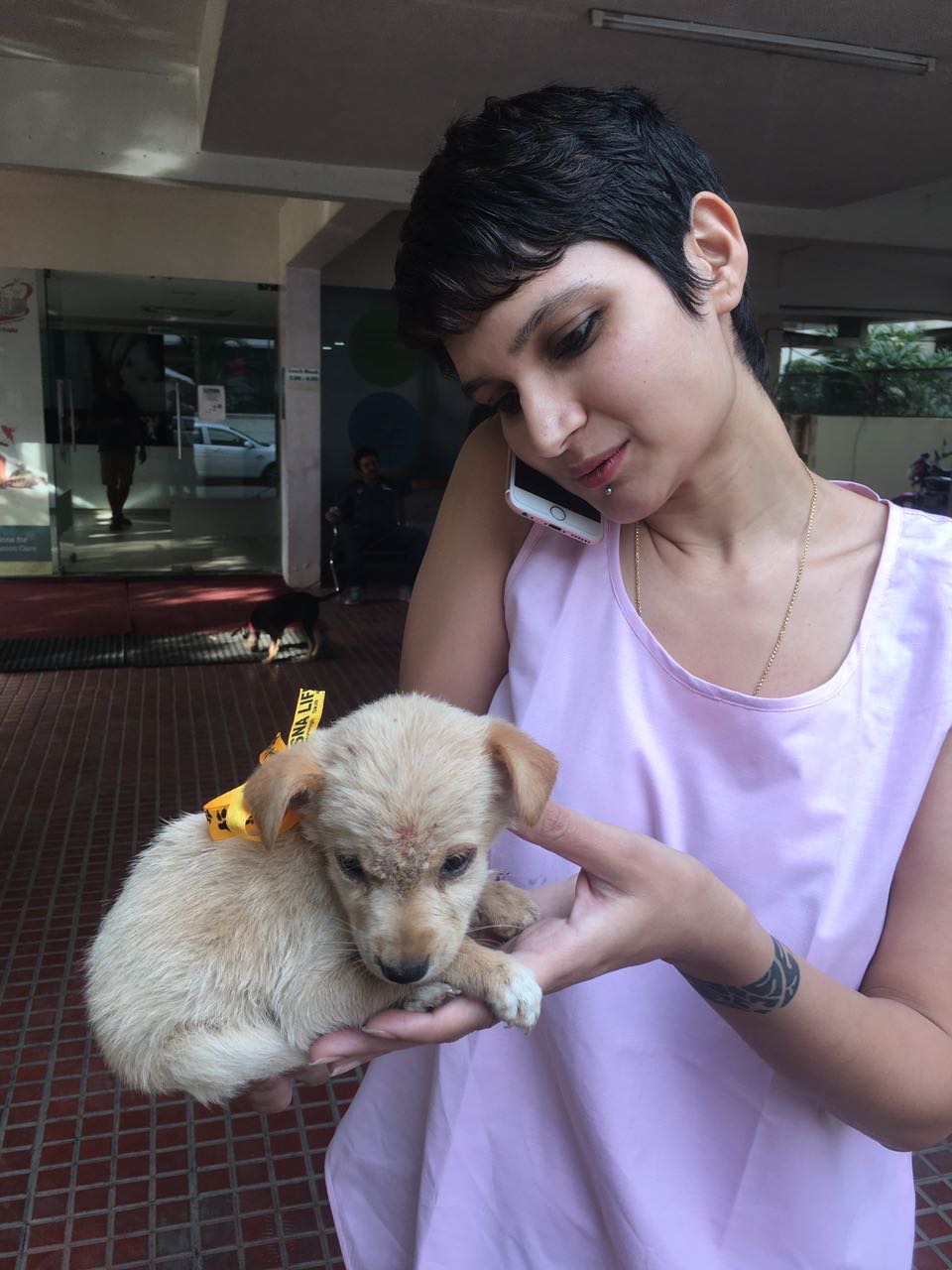
We named her Sihi. Kannada for sweet. She stayed with us for many months. We put her up for adoption. But couldn’t find the right home for her. When we left the country to come to you, dear Britain, we sent her to a long-term dog boarding. We got regular updates from the owner. My parents visited her. She was happy and had many doggy friends for company.
One morning, during my MBA, while I was getting ready for class, I received a phone call from my mother.
Naanu? She often called me that endearingly.
Yes, Ma?
Sihi passed away this morning.
How?
We don’t know. It happened while she was sleeping. She didn’t suffer.
It hurt. A lot. Grief disguises itself when you’re separated by thousands of miles. You never really immerse yourself in it. There’s no closure. It’s like an unfinished book. Forever haunting you. And so I sit with it. Till today. It’s muted but not forgotten. Still unprocessed. But that’s the price you pay. For having so many animal friends.
Peaches, Paakhi, Bundle, Keshto, Motu, Shibu. There were others too, dear Britain. But I’ll save them for another letter. And leave you with the story of my official first. Soon after our wedding in 2011, the husband and the in-laws wanted to fulfill the one wish my parents never did.
Get me a dog.
The family had always had German Shepherds. And so, Anya.
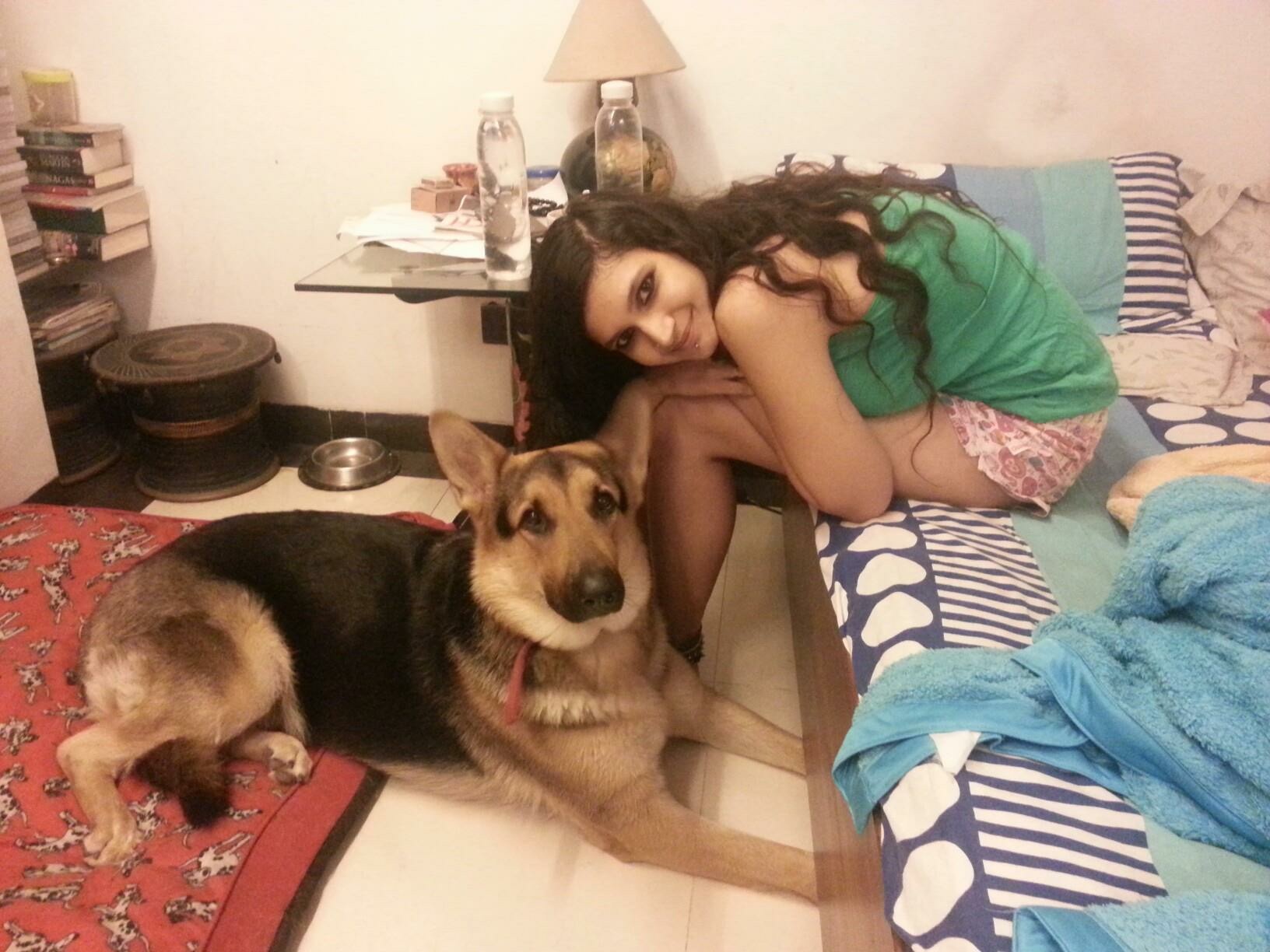
The centre of our lives for the first three years after marriage when we lived in Delhi. Anya grew from a bouncy, energetic pup to a 60-kilo giant. Intimidating to anyone who didn’t know her. But those who knew her knew she had the gentlest mien.
She never really behaved like a dog. The strays on the road were anxious about her size. They barked. But Anya didn’t blink. Just carried on walking. Graceful and nonchalant.
She had big, beautiful kohl-lined eyes. When spoken to with anger or frustration, she expressed her disapproval by going upstairs. She stayed there until one of us cajoled her down.
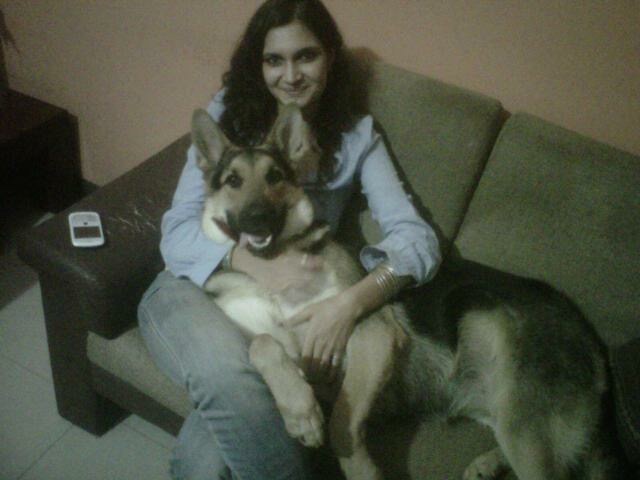
Parties at home meant she was the one people wanted to meet. A friend who had been terrified of dogs because of previous trauma overcame her fear because of Anya. Anya was a therapy dog, a friend, a sister, a child, a mother. Sometimes all at once.
Was.
Anya passed away in 2024. In the arms of my mum-in-law and father-in-law. She went peacefully. After a life well-lived and well-loved.
And so, when we came to you, dear Britain, for the first time in my life, I was without animals. No strays to meet on the street. No pack to feed. No rescue waiting around the corner. Just the husband and I, in a flat in Manchester. It felt like something was missing.
The newness couldn’t take the feeling away. New friends. New sights. New sounds. New routine. I regularly woke up at night with the feeling I had accidentally kicked a furry friend sleeping at my feet.
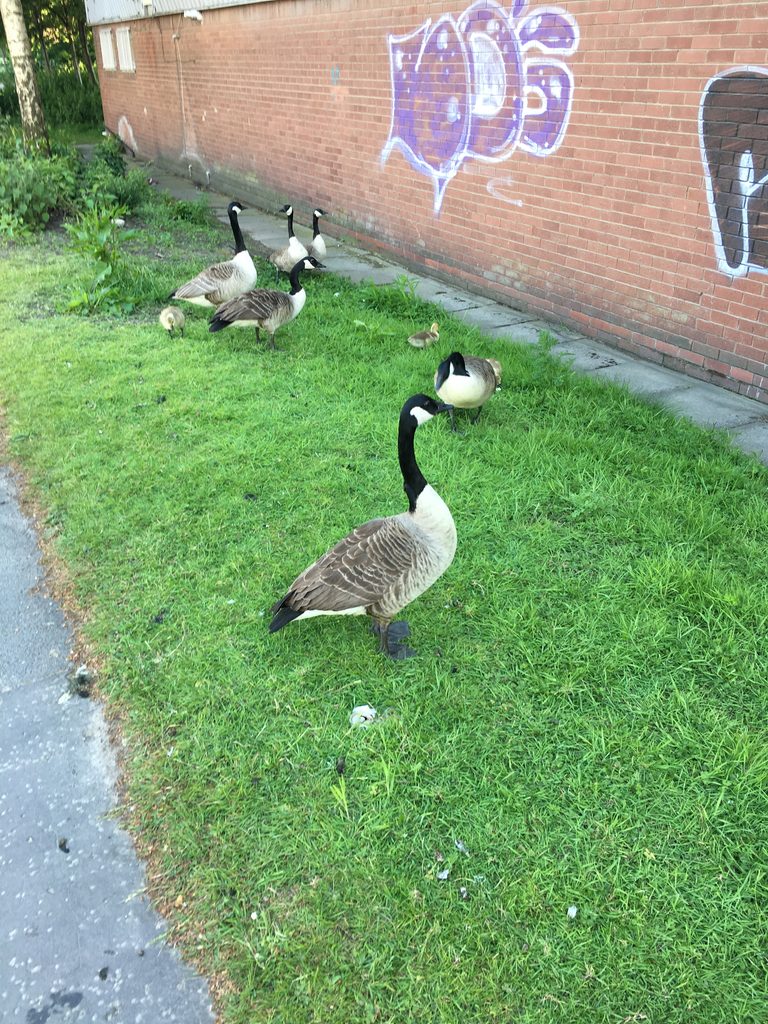
I found geese in my walks about town. But they didn’t take too kindly to my advances. I also launched myself at every dog I could find. But the owners were quite wary of the slightly crazed woman with the desperate look about her. I visited friends who had dogs on repeat. But it was all a temporary fix.
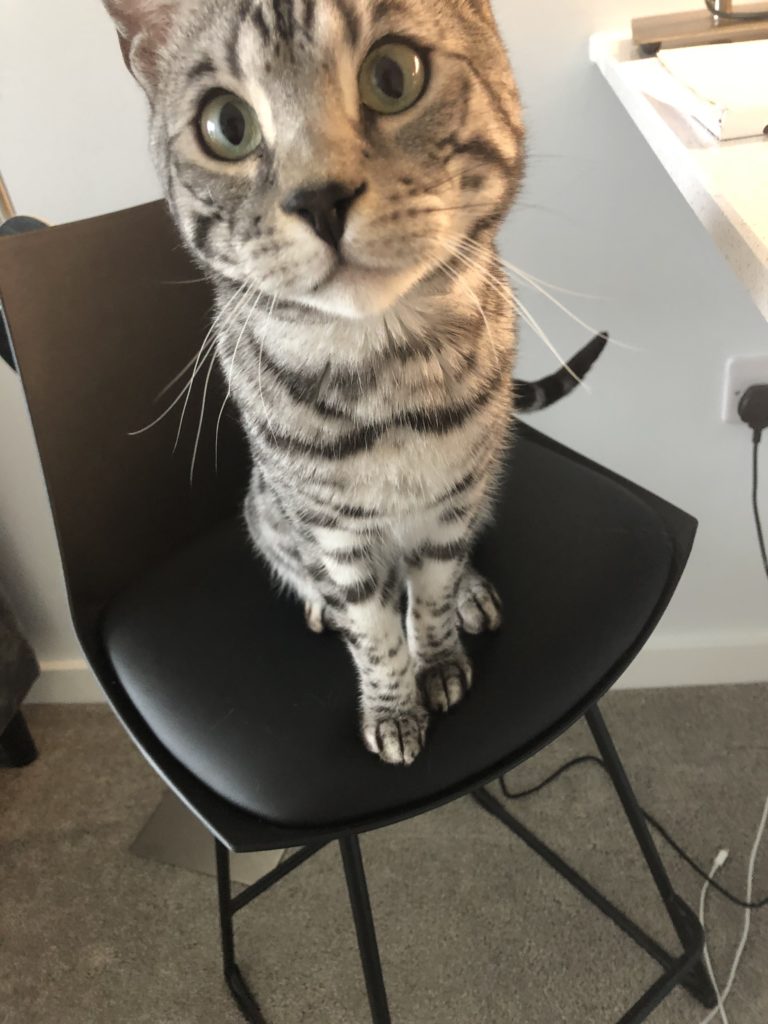
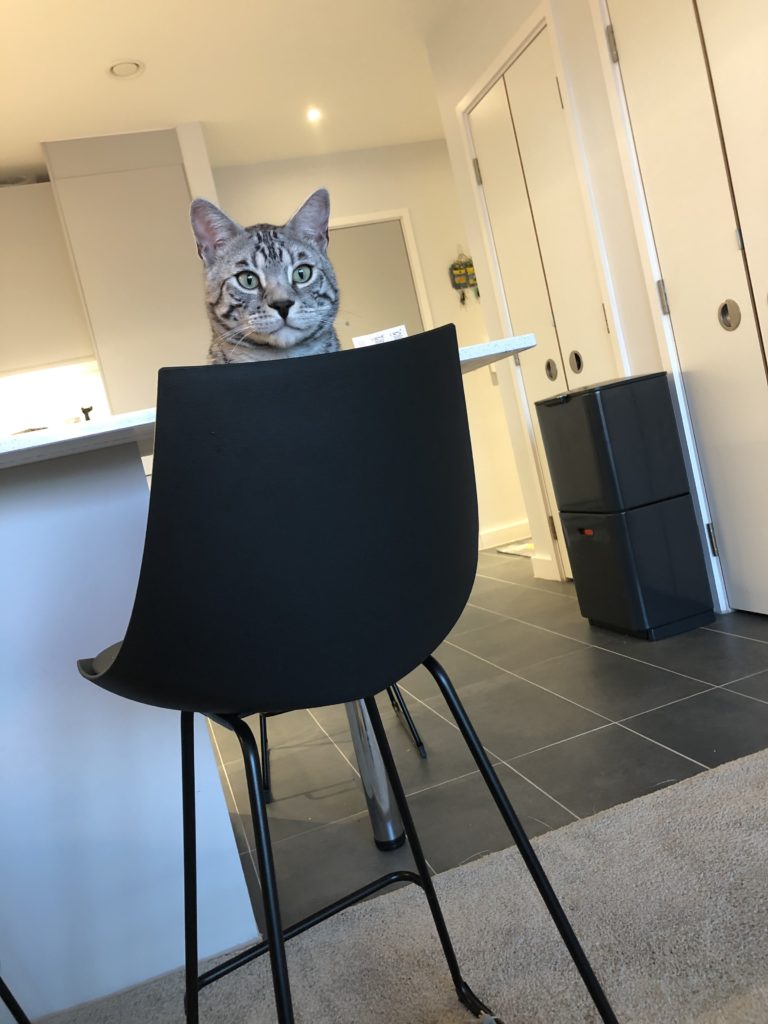
Until Zen came along. Three years away, in 2017. But worth every moment of the wait.
The story of Zen, Ziggy and Zorro. But that’s for the next letter, dear Britain. Until then,
With love,
Purna